THURSDAY, October 29, 2026|
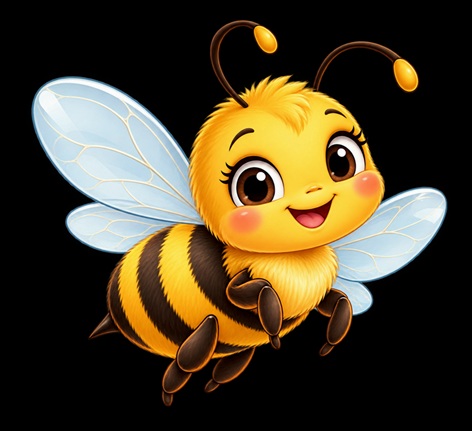
Photo – Hovering Honeybee – Open AI
A Rawlins resident is encouraging her fellow community members to take up beekeeping, saying it can benefit both the town and their quality of life.
On Monday, October 26th, Megan McComas took to social media with a simple message: “LET’S GET RAWLINS BUZZING!” She followed it with a question for her fellow residents: “What if one small step toward a greener Rawlins started right in our own backyards?”
McComas is referring to beekeeping, also known as apiculture. Speaking with Toga Radio, McComas explained that she shared a post from Prairie Wind Bee Supply, a Cheyenne-based honeybee provider, to promote beekeeping in Rawlins.
McComas said honey production is one of the most widely recognized benefits of beekeeping. She said honey is valued for its many health-promoting properties.
In addition, McComas said a review of 48 clinical trials found that replacing sugar with natural honey showed positive effects on cardiovascular health. Local honey is also widely believed to help reduce allergy symptoms.
McComas said bees are among the primary pollinators of flowers, fruit trees, vegetables, and seed crops. Without them, she said many plants would never grow.
McComas added that bees also pollinate many native plant species around Rawlins, including the Indian paintbrush that grows along Highway 70. Furthermore, she said beekeeping can provide additional financial, educational, and health-related opportunities.
Getting started in beekeeping requires a hive, with costs ranging from a few hundred dollars to several thousand. McComas said the bees themselves can be purchased through an online supplier.
McComas said the University of Wyoming Extension Office in Room 329 of the Carbon Building in Rawlins is a good resource for aspiring beekeepers. Additionally, she said the Wyoming Bee College offers apiculture guidance and training. If neither option is available, she said social media can also be a useful learning tool.
Due to our area’s cold, dry climate, bee hives must be winterized by ensuring colonies have adequate honey stores, reducing hive entrances, and adding exterior insulation while maintaining proper ventilation. Additional guidance on winterizing hives is available through the University of Wyoming Extension Office.
McComas said bees should also be protected from insecticides, including mosquito spray. To reduce exposure, she recommended limiting spraying to nighttime hours, when bees are typically inside their hives.
A backyard hive can produce between 20 and 60 pounds of surplus honey per year, depending on weather conditions, forage availability, colony health, and the beekeeper’s experience. McComas acknowledged that some people may object to harvesting honey, but said modern bees often make far more honey than the colony can use.
Rawlins Municipal Code 6.05.020 requires residents to obtain a livestock permit in order to keep bees in the city or within a half-mile of it. Applications are available through the Rochelle Animal Shelter or online at www.rawlinswy.gov/livestock. After submitting the paperwork, an Animal Control officer will inspect your property to ensure your apiary, or beehive, is safe and prepared for the weather. Once approved, applicants then take the signed form to the Rawlins City Hall and pay a $25 fee to obtain their permit.
Despite her love of bees, Megan McComas said her bee sting allergy prevents her from keeping them.